Abstract: The friction plates of wind turbine yaw brakes are mainly used in the yaw
braking system of wind turbines. The following is a detailed answer about the
application of friction plates in wind power yaw brakes: Application scenarios The friction plate of wind turbine yaw brake is mainly used in the yaw
process of wind turbines, playing a role in braking and stabilizing the unit.
When the wind turbine needs to adjust its direction to align with the main wind
direction, the yaw brake will be activated. Through the friction between the
friction plate and the brake disc, the necessary damping torque is generated to
enable the unit to smoothly and accurately complete the yaw action. working principle In wind turbines, the yaw brake is usually driven by a hydraulic system.
When braking is required, the hydraulic system provides pressure to clamp the
brake caliper body against the friction plate, which then comes into close
contact with the brake disc, generating friction torque. This friction torque
will hinder the rotation of the unit, allowing it to maintain a stable position.
At the same time, by adjusting the pressure of the hydraulic system, the
magnitude of the friction torque can be controlled, thereby achieving precise
control of the yaw speed and yaw position of the unit. Usage requirements Friction coefficient: The friction coefficient of the friction plate of the
wind turbine yaw brake is a key parameter. A suitable friction coefficient can
ensure that the brake can provide sufficient braking torque while avoiding
excessive wear on the brake disc and friction pads during operation. 2 Wear resistance: Due to the frequent operation of yaw brakes in wind
turbines, friction plates must have good wear resistance. This can extend the
service life of the friction plate, reduce the frequency of replacement, and
thus lower maintenance costs. Stability: During the braking process, the friction plate needs to maintain
stable friction performance. This requires friction plate materials to have good
thermal and chemical stability, and be able to work normally in harsh
environments such as high temperature, high pressure, and humidity. 4 Adaptability: Different wind turbines may have different requirements for
the size, shape, and material of the friction plates. Therefore, when selecting
friction pads, it is necessary to ensure their adaptability to ensure that the
brake can work properly and meet the braking requirements of the unit. Maintenance and replacement In order to ensure the normal operation of the friction plate of the wind
turbine yaw brake, it is necessary to regularly inspect and maintain it. If
severe wear or other faults are found in the friction plate, it needs to be
replaced or repaired in a timely manner. When replacing the friction plate, it
is necessary to ensure that the size, shape, and material of the new friction
plate are consistent with the original friction plate, and strictly follow the
manufacturer's installation guide for installation and adjustment. In summary, the friction plates of wind turbine yaw brakes play a crucial
role in wind turbines. They ensure the efficiency and safety of wind power
generation by providing necessary braking torque to ensure that the unit can
smoothly and accurately complete the yaw action.
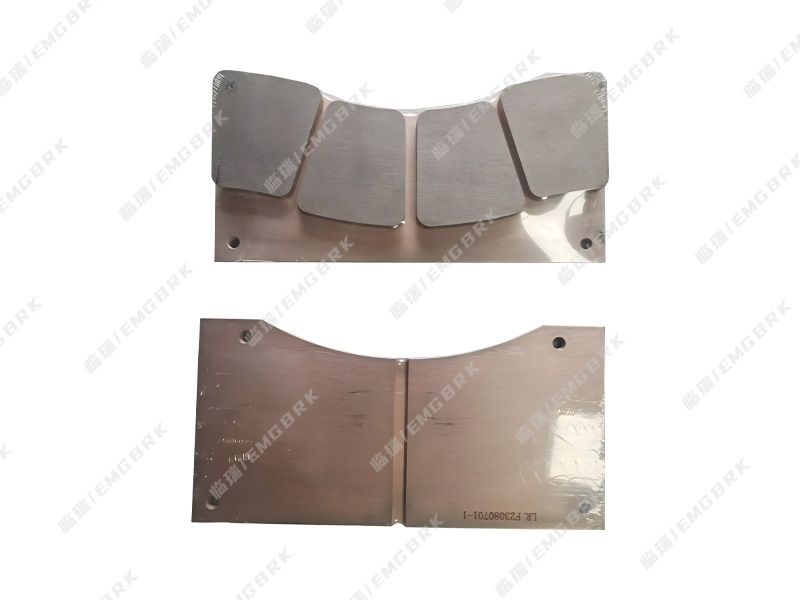
The friction plates of wind turbine yaw brakes are mainly used in the yaw
braking system of wind turbines. The following is a detailed answer about the
application of friction plates in wind power yaw brakes:
Application scenarios
The friction plate of wind turbine yaw brake is mainly used in the yaw
process of wind turbines, playing a role in braking and stabilizing the unit.
When the wind turbine needs to adjust its direction to align with the main wind
direction, the yaw brake will be activated. Through the friction between the
friction plate and the brake disc, the necessary damping torque is generated to
enable the unit to smoothly and accurately complete the yaw action.
working principle
In wind turbines, the yaw brake is usually driven by a hydraulic system.
When braking is required, the hydraulic system provides pressure to clamp the
brake caliper body against the friction plate, which then comes into close
contact with the brake disc, generating friction torque. This friction torque
will hinder the rotation of the unit, allowing it to maintain a stable position.
At the same time, by adjusting the pressure of the hydraulic system, the
magnitude of the friction torque can be controlled, thereby achieving precise
control of the yaw speed and yaw position of the unit.
Usage requirements
Friction coefficient: The friction coefficient of the friction plate of the
wind turbine yaw brake is a key parameter. A suitable friction coefficient can
ensure that the brake can provide sufficient braking torque while avoiding
excessive wear on the brake disc and friction pads during operation.
2 Wear resistance: Due to the frequent operation of yaw brakes in wind
turbines, friction plates must have good wear resistance. This can extend the
service life of the friction plate, reduce the frequency of replacement, and
thus lower maintenance costs.
Stability: During the braking process, the friction plate needs to maintain
stable friction performance. This requires friction plate materials to have good
thermal and chemical stability, and be able to work normally in harsh
environments such as high temperature, high pressure, and humidity.
4 Adaptability: Different wind turbines may have different requirements for
the size, shape, and material of the friction plates. Therefore, when selecting
friction pads, it is necessary to ensure their adaptability to ensure that the
brake can work properly and meet the braking requirements of the unit.
Maintenance and replacement
In order to ensure the normal operation of the friction plate of the wind
turbine yaw brake, it is necessary to regularly inspect and maintain it. If
severe wear or other faults are found in the friction plate, it needs to be
replaced or repaired in a timely manner. When replacing the friction plate, it
is necessary to ensure that the size, shape, and material of the new friction
plate are consistent with the original friction plate, and strictly follow the
manufacturer's installation guide for installation and adjustment.
In summary, the friction plates of wind turbine yaw brakes play a crucial
role in wind turbines. They ensure the efficiency and safety of wind power
generation by providing necessary braking torque to ensure that the unit can
smoothly and accurately complete the yaw action.