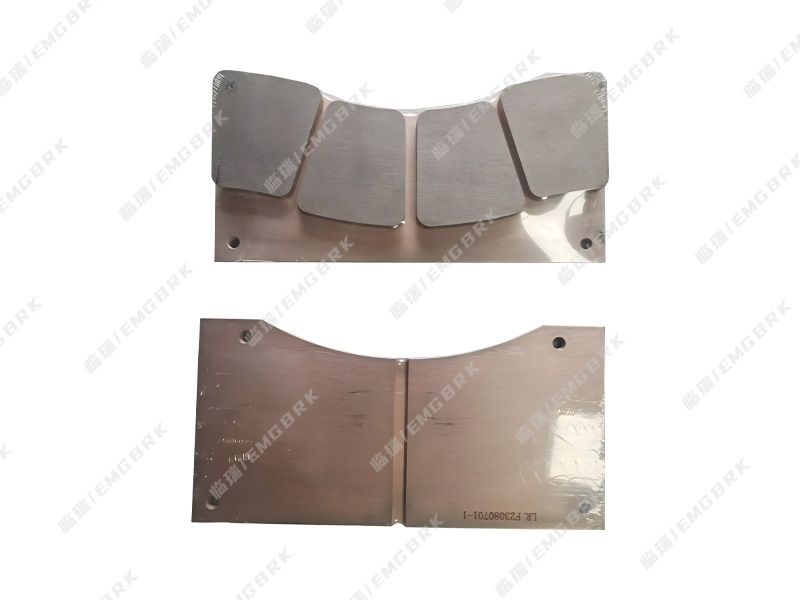
Abstract: The foggy weather and obstructed visibility undoubtedly bring a lot of
inconvenience to everyone's travel. And when we drive on the road, we need to
pay attention to every detail to avoid accidents. If you want to brake urgently,
you cannot do without the car brake. Automobile brakes are divided into two
categories: disc brakes and drum brakes. Each type of brake has its own
advantages and disadvantages. Drum brakes have been used for a long time, while
disc brakes are relatively late. Below, the master will introduce the
differences between disc brakes and drum brakes. Let's talk about drum brakes first. Drum brakes have been around since
1902, but at that time they had not yet been applied to cars. Coincidentally,
1902 was also the year Cadillac was founded, which is a far cry. These two have
nothing to do with each other, drum brakes were more commonly used on horse
drawn carriages at that time. So the drum brake has been in use for a hundred
years now. A drum brake consists of a brake drum, brake shoes, and brake wheel
cylinders. The brake drum and wheels rotate together, following the footsteps of
the wheels. When braking is required, the brake wheel cylinder drives the brake
shoes and compresses the inner surface of the brake drum, reducing the speed of
the wheels through friction. The disadvantages of drum brakes are very obvious.
Due to their closed design, drum brakes are prone to thermal attenuation, which
affects braking performance. Disc brakes are commonly used in most cars nowadays. Disc brakes consist of
two main parts: brake discs and brake calipers, and their structure appears
relatively simple. When the vehicle needs to brake, the brake calipers are
pushed by hydraulic pressure, and the brake calipers clamp the main brake disc,
also reducing the speed of the vehicle through friction There are two differences: drum brakes are cheaper than disc brakes, so
many low-priced models use front wheel disc brakes and rear drum brakes. In
addition, disc brakes have better drainage and heat dissipation than drum
brakes. Summary: The development of disc brakes has given rise to many types of
disc brakes today. Drum brakes and disc brakes cannot replace each other, as
both have their own uses. Taking large trucks as an example, due to the need for
brake discs in disc brakes, there is not enough space on the bottom disc to use
disc brakes. What are the differences and features of the above car brakes? I
hope it will be helpful to you.
The foggy weather and obstructed visibility undoubtedly bring a lot of
inconvenience to everyone's travel. And when we drive on the road, we need to
pay attention to every detail to avoid accidents. If you want to brake urgently,
you cannot do without the car brake. Automobile brakes are divided into two
categories: disc brakes and drum brakes. Each type of brake has its own
advantages and disadvantages. Drum brakes have been used for a long time, while
disc brakes are relatively late. Below, the master will introduce the
differences between disc brakes and drum brakes.
Let's talk about drum brakes first. Drum brakes have been around since
1902, but at that time they had not yet been applied to cars. Coincidentally,
1902 was also the year Cadillac was founded, which is a far cry. These two have
nothing to do with each other, drum brakes were more commonly used on horse
drawn carriages at that time. So the drum brake has been in use for a hundred
years now.
A drum brake consists of a brake drum, brake shoes, and brake wheel
cylinders. The brake drum and wheels rotate together, following the footsteps of
the wheels. When braking is required, the brake wheel cylinder drives the brake
shoes and compresses the inner surface of the brake drum, reducing the speed of
the wheels through friction. The disadvantages of drum brakes are very obvious.
Due to their closed design, drum brakes are prone to thermal attenuation, which
affects braking performance.
Disc brakes are commonly used in most cars nowadays. Disc brakes consist of
two main parts: brake discs and brake calipers, and their structure appears
relatively simple. When the vehicle needs to brake, the brake calipers are
pushed by hydraulic pressure, and the brake calipers clamp the main brake disc,
also reducing the speed of the vehicle through friction
There are two differences: drum brakes are cheaper than disc brakes, so
many low-priced models use front wheel disc brakes and rear drum brakes. In
addition, disc brakes have better drainage and heat dissipation than drum
brakes.
Summary: The development of disc brakes has given rise to many types of
disc brakes today. Drum brakes and disc brakes cannot replace each other, as
both have their own uses. Taking large trucks as an example, due to the need for
brake discs in disc brakes, there is not enough space on the bottom disc to use
disc brakes. What are the differences and features of the above car brakes? I
hope it will be helpful to you.